
Medicine & Health: Safe Usage Guide
Common Mistakes People Make With Over-the-Counter Medicines
Medicines play an important role in maintaining health and treating illnesses. However, using medicines correctly is just as important as taking them. Many people make small mistakes with prescriptions, over-the-counter medicines, or medicine storage that can affect their effectiveness and safety.
Understanding basic medicine practices can help you stay safe and get the best results from your treatment.
1.Understanding Your Prescriptions: A Simple Guide for Patients

A prescription from your doctor contains important instructions about how to take your medicine safely. Many people ignore or misunderstand these instructions, which can lead to ineffective treatment.
Here are some key things to understand when reading a prescription:
Dosage: The exact amount of medicine you should take.
Frequency: How many times a day the medicine should be taken.
Timing: Whether the medicine should be taken before or after meals.
Duration: How long you need to continue the medicine.
If you ever feel unsure about your prescription, consult your pharmacist or doctor for clarification.
2.Common Mistakes People Make With Over-the-Counter Medicines

Over-the-counter (OTC) medicines are easily available without a prescription, but they should still be used carefully. Some common mistakes include:
Taking higher doses than recommended
Mixing multiple medicines without checking interactions
Using medicines for longer than advised
Ignoring warnings on the label
Always read the label instructions carefully and ask a pharmacist if you have any doubts before using OTC medicines.
3.The Importance of Checking Expiry Dates on Medicines
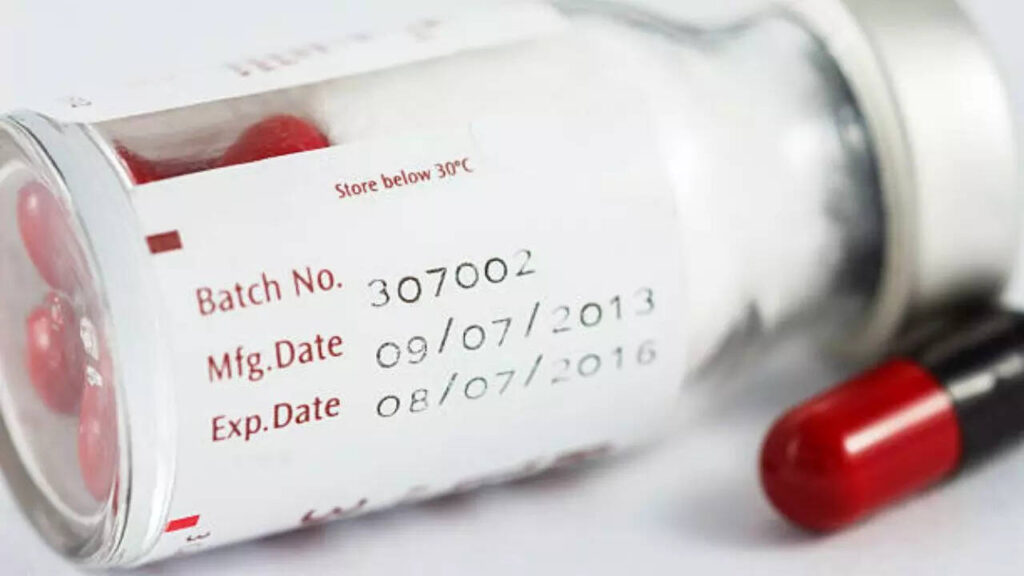
Every medicine has an expiry date printed on its packaging. After this date, the medicine may lose its effectiveness or become unsafe to use.
Why checking expiry dates is important:
Expired medicines may not work properly.
Some medicines can become harmful after expiry.
Using expired medicines may delay proper treatment.
Make it a habit to check the expiry date before taking any medicine and safely discard medicines that are expired.
4.How to Properly Store Medicines at Home
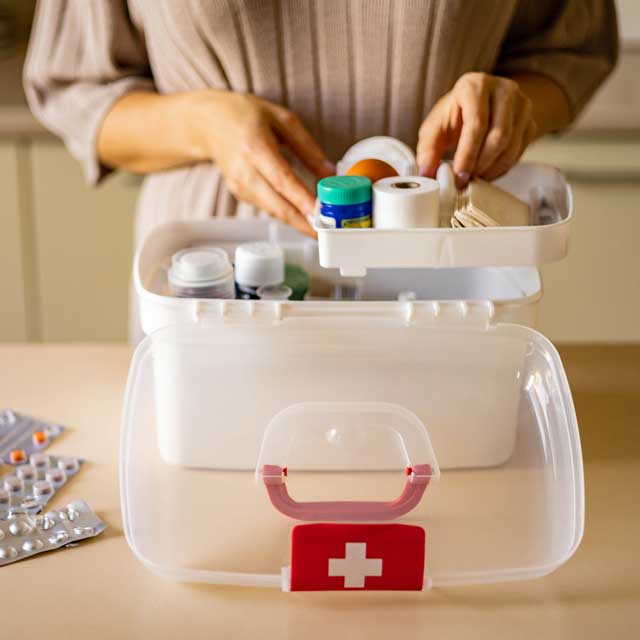
Proper storage helps maintain the effectiveness and safety of medicines. Incorrect storage conditions can damage medicines and reduce their potency.
Follow these simple storage tips:
Keep medicines in a cool, dry place away from sunlight.
Store medicines out of reach of children and pets.
Avoid storing medicines in bathrooms or near heat sources.
Keep medicines in their original packaging with labels.
Regularly check your medicine cabinet and remove expired or unused medicines.
Conclusion
Safe medicine use is an important part of maintaining good health. Understanding prescriptions, avoiding common OTC mistakes, checking expiry dates, and storing medicines properly can help ensure medicines work effectively and safely.
Pharmacies also play a key role in guiding patients about proper medicine use and answering questions related to prescriptions and healthcare.